The Golden Triangle Investment Case for UK Buyers: Vilamoura, Vale do Lobo and Quinta do Lago

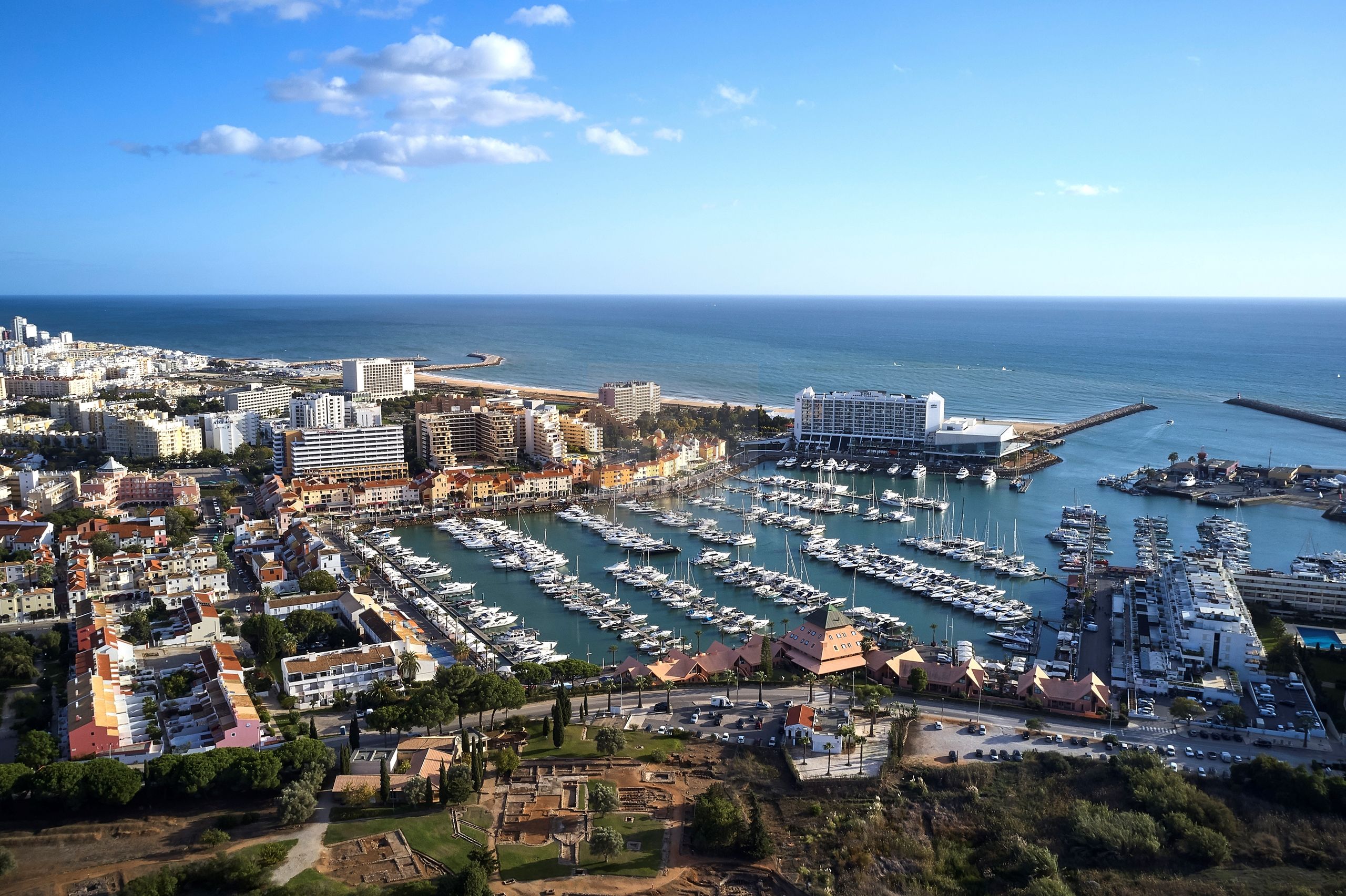
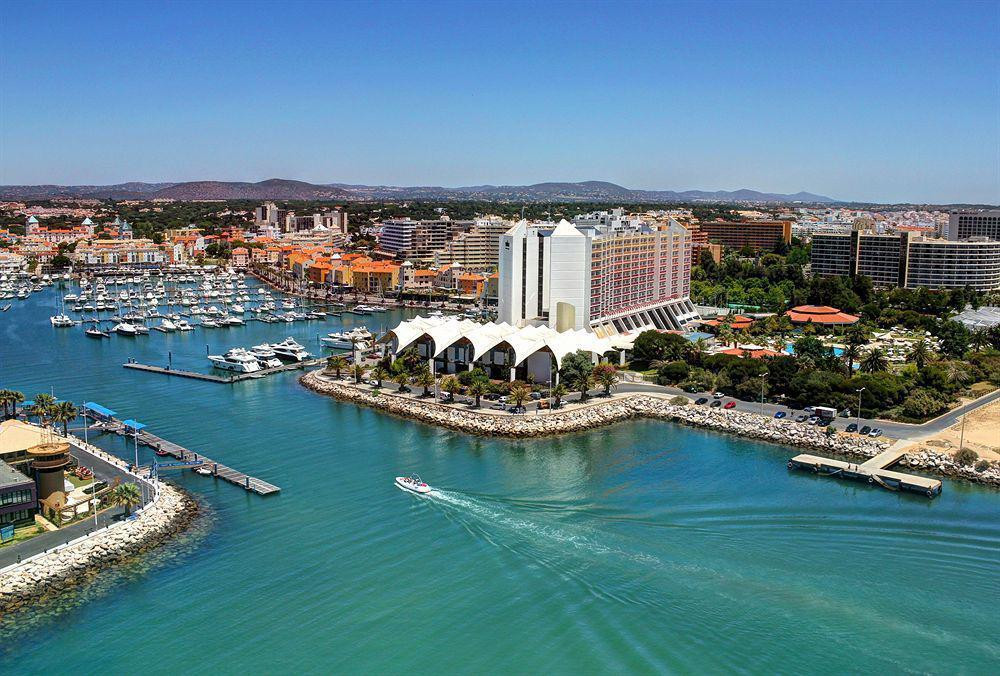
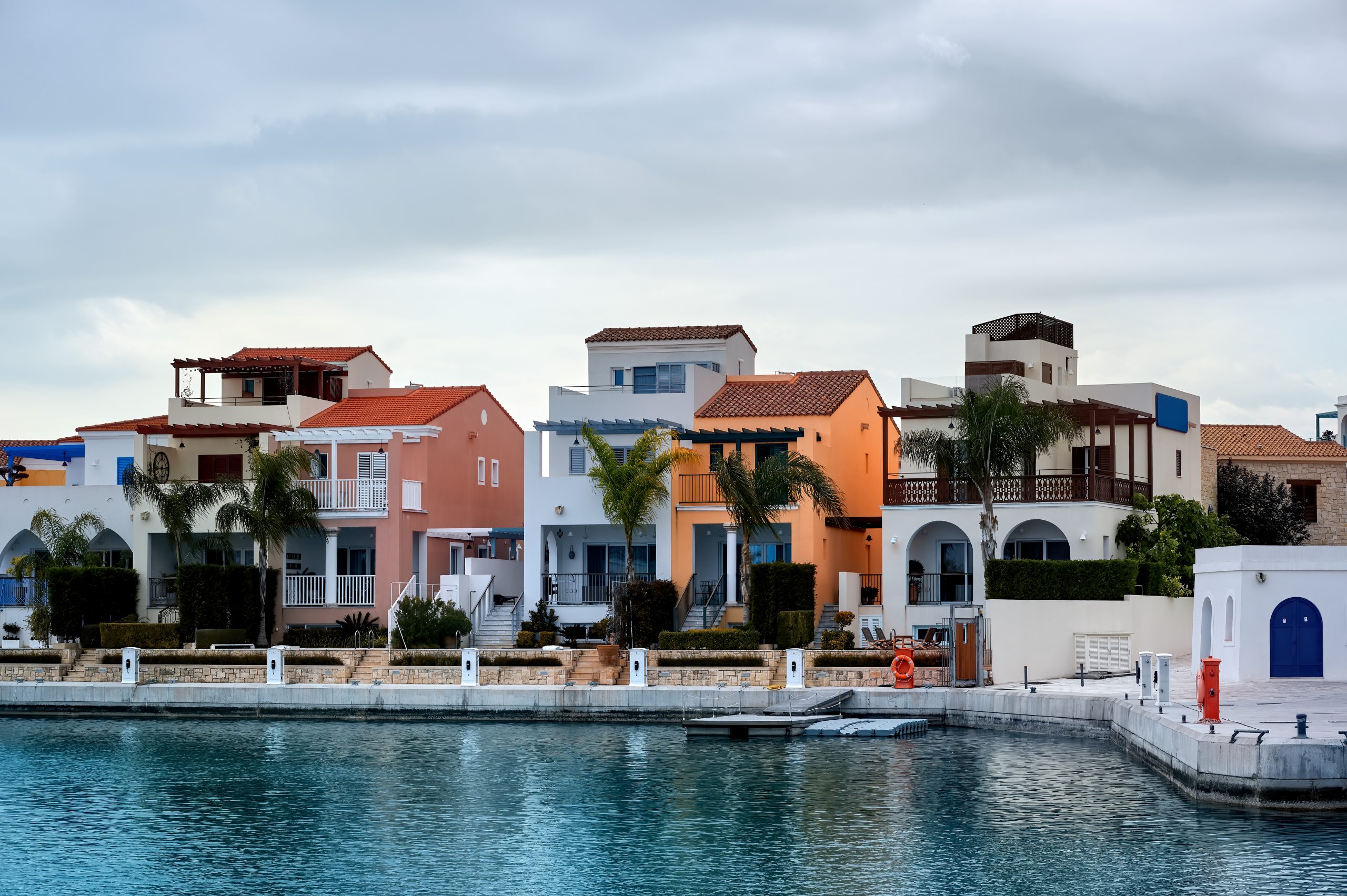
Marina de Vilamoura

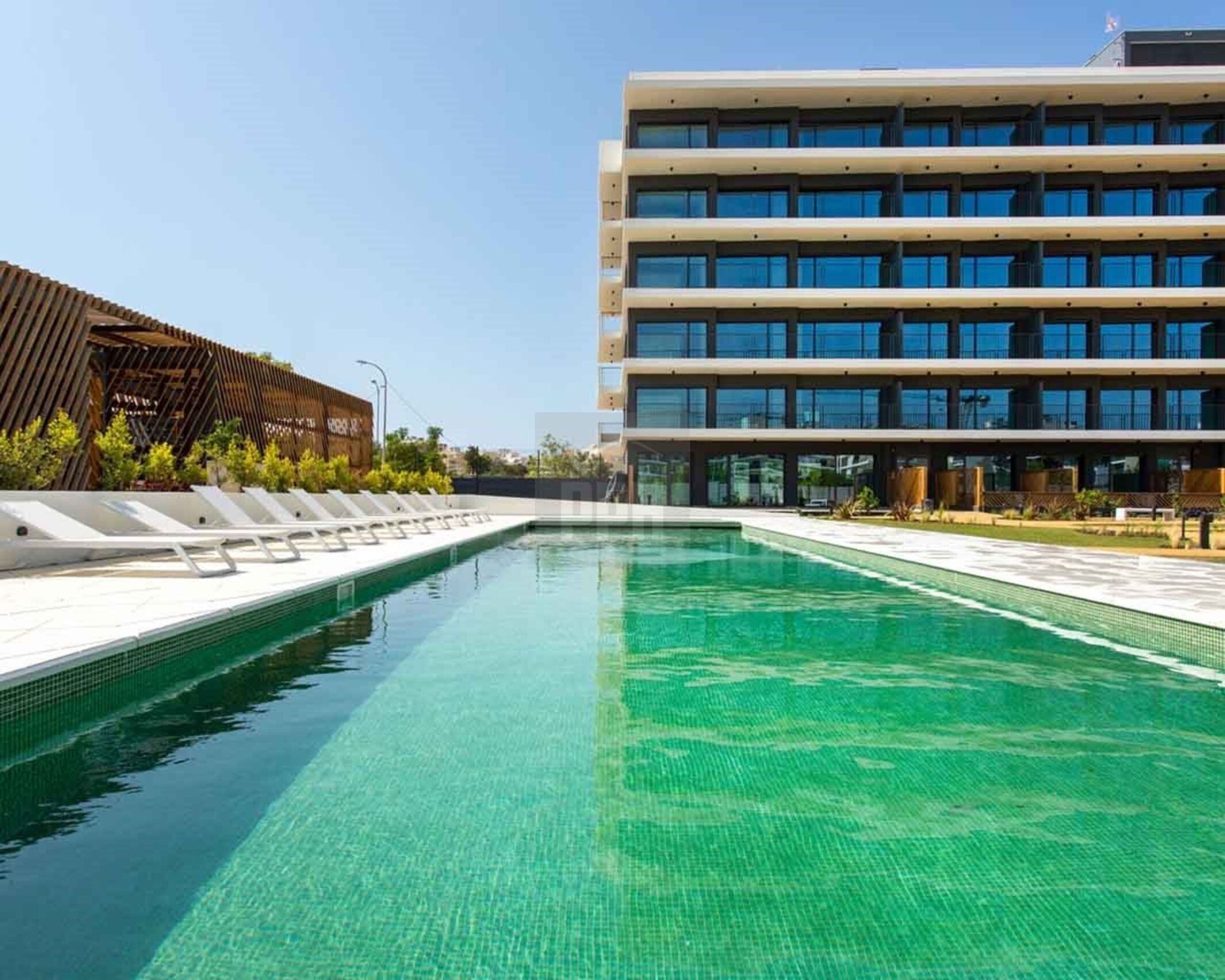
The Algarve’s Golden Triangle, the prime residential corridor running between Faro and Albufeira, has established itself as the centre of British property activity in southern Portugal. Pricing across its three resorts, Vilamoura, Vale do Lobo and Quinta do Lago, is shaped less by short-term sentiment and more by long-term structural factors: limited expansion potential, concentrated international demand, and resort infrastructure built around mature golf, marina and beach assets.

For UK buyers, this structural backdrop matters because the three resorts, while geographically clustered, no longer behave as substitutes. The pricing gap between them has widened materially over the last 24 months, and headline budgets translate into very different property types, rental profiles and capital-preservation cases depending on which resort is selected. British and Irish buyers have, in recent years, accounted for around 71% of activity in the prime Algarve segment, with Vale do Lobo alone reporting roughly two-thirds British purchasers, which means the decision between the three locations is one a meaningful share of UK capital is currently working through.

In this guide, we set out how Vilamoura, Vale do Lobo and Quinta do Lago compare on pricing, rental performance and buyer fit, based on market conditions in 2025 and so far in 2026.

How the Three Resorts Are Priced in 2026

From a pricing perspective, the three resorts now occupy distinct tiers rather than overlapping bands. Quinta do Lago, in early 2026, averages around €11,170 per square metre, having risen by roughly 35% year-on-year on the back of constrained stock and persistent northern European demand. Vale do Lobo runs at approximately €7,712 per square metre, while Vilamoura covers a wider band, broadly between €5,000 and €9,000 per square metre depending on whether the property sits marina-side, in the Old Village, or further inland near the Pinhal or Millennium courses. For context, the regional Algarve average sits at around €3,400 to €3,600 per square metre, which places all three resorts firmly within the prime tier rather than the broader regional market.

In practical terms, this translates into very different entry points. Vilamoura accommodates marina-area resale apartments from around €225,000, new-build apartments from around €260,000, three-bedroom townhouses near the golf courses from around €700,000, and detached villas with pools generally from €1 million upwards. Vale do Lobo rarely transacts below €1 million for a villa of meaningful size, with apartment stock around €3,000 per square metre and built villa pricing closer to €7,000 per square metre. Quinta do Lago is the most concentrated at the top of the market: refurbished villas near the lake or beach commonly start above €1.2 million, the bulk of stock sits between €2 million and €5 million, and frontline-golf or lakefront properties extend significantly beyond that.

It is important to note that the headline gap between Vilamoura and Quinta do Lago is now closer to a multiple than a margin. For UK buyers, the question worth asking is no longer simply which resort, but which resort matches the role the property is meant to play.

Vilamoura – Multi-Budget Access in the Largest Resort of the Three

Vilamoura is the broadest of the three markets, both in terms of physical footprint and inventory range. The resort is more than double the combined size of Vale do Lobo and Quinta do Lago, anchored around a working marina, two casinos, an established restaurant and retail base and several golf courses. As a result, Vilamoura functions year-round in a way the other two resorts do not, which has direct consequences for liquidity, occupancy and resale depth.

From an investment perspective, this scale supports a wider stock profile. Apartments, townhouses and villas are all available within the same resort, and pricing spans a range that few other Algarve locations replicate. Gross short-term rental yields on well-managed Vilamoura units typically run between 5% and 8%, with the upper end achievable on marina-front and golf-side stock. For UK buyers seeking a property that performs across more of the year rather than only the summer peak, Vilamoura tends to be the more flexible starting point.

It is important to note that Vilamoura’s breadth is also its limitation in the prime segment. Inventory is more abundant than in Vale do Lobo or Quinta do Lago, and differentiation at the lower end is often defined by interior finish, terrace size or precise location within a development rather than by scarcity of comparable stock.

Vale do Lobo – Established Villa Market with a Concentrated Buyer Base

Vale do Lobo occupies a different position in the corridor. The resort is quieter, more residentially focused, and built around the Royal and Ocean golf courses, the tennis academy and direct access to a Blue Flag beach. Stock is dominated by villas with a smaller cluster of apartment complexes, and the buyer base is unusually concentrated by national origin, with British purchasers historically forming the majority of transactions.

By contrast with Vilamoura, the apartment-driven entry point is largely absent, and the practical floor for a meaningful villa purchase tends to sit above €1 million. Yields, where properties are made available for short-term rental, typically run between 6% and 9% gross, supported by lower overall supply rather than higher absolute occupancy. For this reason, Vale do Lobo tends to suit buyers prioritising a settled lifestyle profile, beach proximity and a known resale network over the higher-density, year-round rhythm of Vilamoura.

Quinta do Lago – Supply-Constrained Luxury at the Top of the Corridor

Quinta do Lago is the most exclusive of the three resorts, and the most expensive. Adjacent to the Ria Formosa nature reserve and built around three championship-grade golf courses, the campus is tightly controlled, architecturally homogeneous and supply-constrained by design. The recent year-on-year price acceleration is largely a function of that constrained stock running into reliable international demand, rather than speculative flow.

From an investment perspective, the dynamic at Quinta do Lago is distinct from the other two resorts. Absolute weekly rental rates are strong, but yields in percentage terms are often lower, since the underlying capital values are materially higher. Buyers at this level are typically trading across from Vale do Lobo, or arriving with a defined brief: large plot, premium build, low-density setting, frontline golf or lake. As a result, the resort tends to function less as a yield play and more as a long-term capital and lifestyle position within a supply-constrained market.

The Rental Picture and AL Licensing Context

Any UK buyer underwriting a rental case across the three resorts should also consider the regulatory backdrop. Portugal’s national moratorium on new Alojamento Local short-term rental licences was lifted in late 2024 under Decree-Law 76/2024, and applications are again being accepted across the Algarve, subject to municipal-level rules. That removes a key overhang from yield assumptions, but the regulatory picture is still evolving, and individual councils retain the ability to set local restrictions. Current yields are therefore best treated as supportable but not fixed, and any rental projection would typically be stress-tested against a tighter regulatory regime in the next cycle.

Alongside this regulatory point, sterling-to-euro volatility, materially higher Portuguese mortgage rates than UK base rates, and the recent compression of the yield case at Quinta do Lago all sit as factors UK buyers would generally be expected to price in before committing capital across the corridor.

How the Three Resorts Compare for UK Buyers

The differences between Vilamoura, Vale do Lobo and Quinta do Lago are not purely linear increases in price. Instead, they reflect shifts in market segment, buyer intent and inventory structure.

At Vilamoura, UK buyers gain access to a broad, multi-budget resort with strong year-round rental dynamics and the deepest pool of comparable stock. At Vale do Lobo, the market narrows into an established villa-led segment with a concentrated, predominantly British buyer base and tighter supply. At Quinta do Lago, the focus moves firmly into supply-constrained luxury, where scarcity, design and plot quality define value more than rental yield.

One of the most important observations is that the largest qualitative jump occurs between Vilamoura and Vale do Lobo, where the move is from a multi-budget resort with active apartment stock to a villa-dominated, lower-supply market with a higher practical floor. The move from Vale do Lobo to Quinta do Lago, while significant in capital terms, is more about scale, exclusivity and architectural control than a fundamental change in resort character.

Choosing the Right Resort in the Golden Triangle

The Golden Triangle remains one of the most resilient property corridors in southern Europe because each of its three resorts offers something the others do not: breadth, settled villa exposure, or supply-constrained luxury.

For UK buyers, this means that the decision between Vilamoura, Vale do Lobo and Quinta do Lago is best framed by intended use rather than by headline budget alone. Those seeking a flexible holiday property with realistic rental potential across more of the year typically gravitate towards Vilamoura, where stock and price spread are widest. Buyers focused on a settled, villa-led lifestyle within a known British community often find Vale do Lobo the better fit, particularly where rental yield matters but is not the primary driver. Quinta do Lago tends to suit buyers with a defined luxury brief and a longer holding horizon, where capital preservation and asset quality outweigh short-term yield considerations.

In many cases, UK buyers begin in Vilamoura and move further along the corridor as the way the property is used changes. The relative pricing across the three resorts often gives sterling buyers more optionality than the headline figures suggest, particularly where a first purchase is being made with rental income in mind and a future move-up purchase is anticipated.

The Golden Triangle Investment Case for UK Buyers: Vilamoura, Vale do Lobo and Quinta do Lago

Marina de Vilamoura

Faro is emerging as the most overlooked city in the Algarve property market, offering significantly lower prices, strong rental potential, and year-round livability.

This guide explores why buyers are starting to see its true value in 2026.

International property buyers in the Algarve rarely start their search in Faro. Lagos, Tavira, Albufeira, Vilamoura, Quinta do Lago, these are the names on the first-page Google results, the brochure covers, and the expat conversation. Faro tends to enter the conversation only as the airport code.

It is one of the oddest gaps in the Algarve market. Faro is the regional capital, the largest city, the administrative and university centre, and the practical hub of infrastructure along the coast. It has an old town, a historic marina, and a ten-minute drive to a lagoon protected by national park status. And in 2026, its property prices sit materially below comparable coastal Algarve locations, for reasons that are worth examining.

How Faro Compares in 2026

Average sale prices in Faro in early 2026 are running at around €3,100 per square metre across the city, with the old town and the marina edges pushing above €4,000 and outer residential areas below €2,400.

By contrast, average prices in the same period are closer to €5,000 in Lagos, €4,500 in Albufeira old town, and above €6,000 in Vilamoura. Tavira runs between €4,000 and €4,500 for comparable modern stock.

The gap is not 5% or 10%, it is 30% to 40% for comparable quality. For a buyer evaluating €600,000 of budget, that difference funds either a substantially larger property in Faro or the same property with meaningful financial headroom.

What You Actually Get in Faro

The city has three distinct property markets, and a buyer’s view of Faro depends heavily on which one they look at.

The old town (Vila Adentro and the streets immediately outside its walls) is the most architecturally interesting part of the city. Restored townhouses here, two or three floors, run between €480,000 and €900,000 depending on size, state, and outdoor space. Most need work. Renovation economics in Faro’s old town in 2026 are tighter than in Lagos, expect €1,200 to €1,800 per square metre fully finished, because the contractor market is smaller and permitting is slower.

The modern apartment market concentrates in Faro’s Bairro das Pedras and along Avenida 5 de Outubro. Two-bedroom apartments in buildings less than 15 years old trade between €280,000 and €440,000 in 2026. Newer developments near the University of the Algarve, driven partly by student rental demand, sit slightly higher.

Outside the city itself, the villa market runs across Estoi, Santa Bárbara de Nexe, and the hills inland. Here, three-bedroom detached villas on small plots of 1,000 to 2,000 square metres with pools are available between €550,000 and €900,000, a price point that buys considerably less in Quinta do Lago twenty kilometres to the west.

Why the Gap Exists

Faro is priced the way it is for reasons, not oversight. Understanding them matters.

The tourism profile is different. Faro is not primarily a beach destination. The Ria Formosa, while spectacular, is a national park rather than a tourist beach, and the closest conventional beach is a 20-minute drive or a ferry ride to the barrier islands. Buyers who rank beach-within-walking-distance highly tend to keep moving.

The airport is double-edged. Within 10 minutes of the airport is convenient, but the noise corridor is a real limitation for properties under the approach and departure paths. Buyers screening for peace should understand which streets sit under these paths. The majority of Faro does not, but some of the cheapest property coincides with the noisiest areas, which is not a coincidence.

The rental economics are different. Faro does not carry the same short-term holiday rental yield as Lagos or Albufeira. The visitor base is thinner in shoulder months, and Alojamento Local rental rates in the city centre are meaningfully lower than equivalent units further west.

The stock is less new. Modern development has favoured coastal towns; Faro’s residential construction has lagged, meaning the stock is older on average, and the share of new builds is lower.

Who Faro Actually Suits

Faro fits a specific buyer profile well and the wider Algarve market poorly. The fit is strongest for year-round residents rather than second-homers; Faro has functioning urban life in November, restaurants open, shops staffed, streets alive, where many Algarve resort towns do not.

It also suits buyers who rank amenities higher than beach. The city has an airport, hospitals, a university, a covered market, and the widest range of everyday retail in the Algarve. This matters more over a decade than it matters over a holiday.

Long-term rental investors benefit too. Faro’s rental yield on mid-market apartments tracks above the coastal average because demand from students, healthcare workers, airport staff, and local professionals is continuous and year-round.

It also suits buyers whose budget is under €600,000 and who still want a meaningful home. The price ceiling in Faro does not compromise meaningfully until very high budgets, unlike Lagos, where the €500,000 to €700,000 band now delivers materially less property than it did three years ago.

What to Watch Before Buying

Three things make the difference between a good Faro purchase and a poor one.

First, position relative to the flight path. Three streets of difference in Bairro das Pedras can shift nightly noise exposure substantially. Arrive in the property at 9 pm on a summer Saturday, the busiest slot for Ryanair and easyJet, before you decide.

Second, the old town’s rhythm. Restored townhouses in Vila Adentro are beautiful but on narrow cobbled streets with limited parking and, in some, restaurant terraces until midnight. A visit during a weekday lunchtime gives a different picture than a Sunday morning.

Third, the condominium state for older apartments. Many 1980s and 1990s buildings in Faro have deferred works. The gap between asking price and net cost after renovation contributions can be meaningful, and it is not always disclosed upfront.

The Case Quietly Being Made

As Lagos and Tavira have compressed further in 2024 and 2025, the value proposition of Faro has sharpened, not because the city has changed, but because the relative comparison has. A buyer walking the Ribeirinha on a Wednesday evening in 2026, with the old town lit and the marina active, is walking a coastal capital that costs meaningfully less than the town 60 kilometres either side.

At Portugal Property Hub, we don’t think Faro is for everyone. We think it is for a particular kind of buyer, and we think that particular buyer is currently getting better value than almost anywhere else in the Algarve.

The Golden Triangle Investment Case for UK Buyers: Vilamoura, Vale do Lobo and Quinta do Lago

Marina de Vilamoura

Vilamoura has positioned itself as one of the Algarve’s most established and consistently in-demand property markets. Unlike many surrounding towns, pricing here is shaped less by short-term fluctuations and more by long-term fundamentals: limited land supply, strong international demand, and a fully developed resort infrastructure anchored around the marina and golf courses.

As a result, buyers entering the market quickly realise that headline budgets, €500,000, €1 million, or €3 million, translate into very different types of property, lifestyle, and investment potential. Understanding what each level actually delivers is essential before beginning a search.

In this guide, we break down what you can realistically expect at each price point in Vilamoura, based on current market conditions from 2025 and so far in 2026.

€500,000 Property in Vilamoura – Entry-Level in a Prime Market

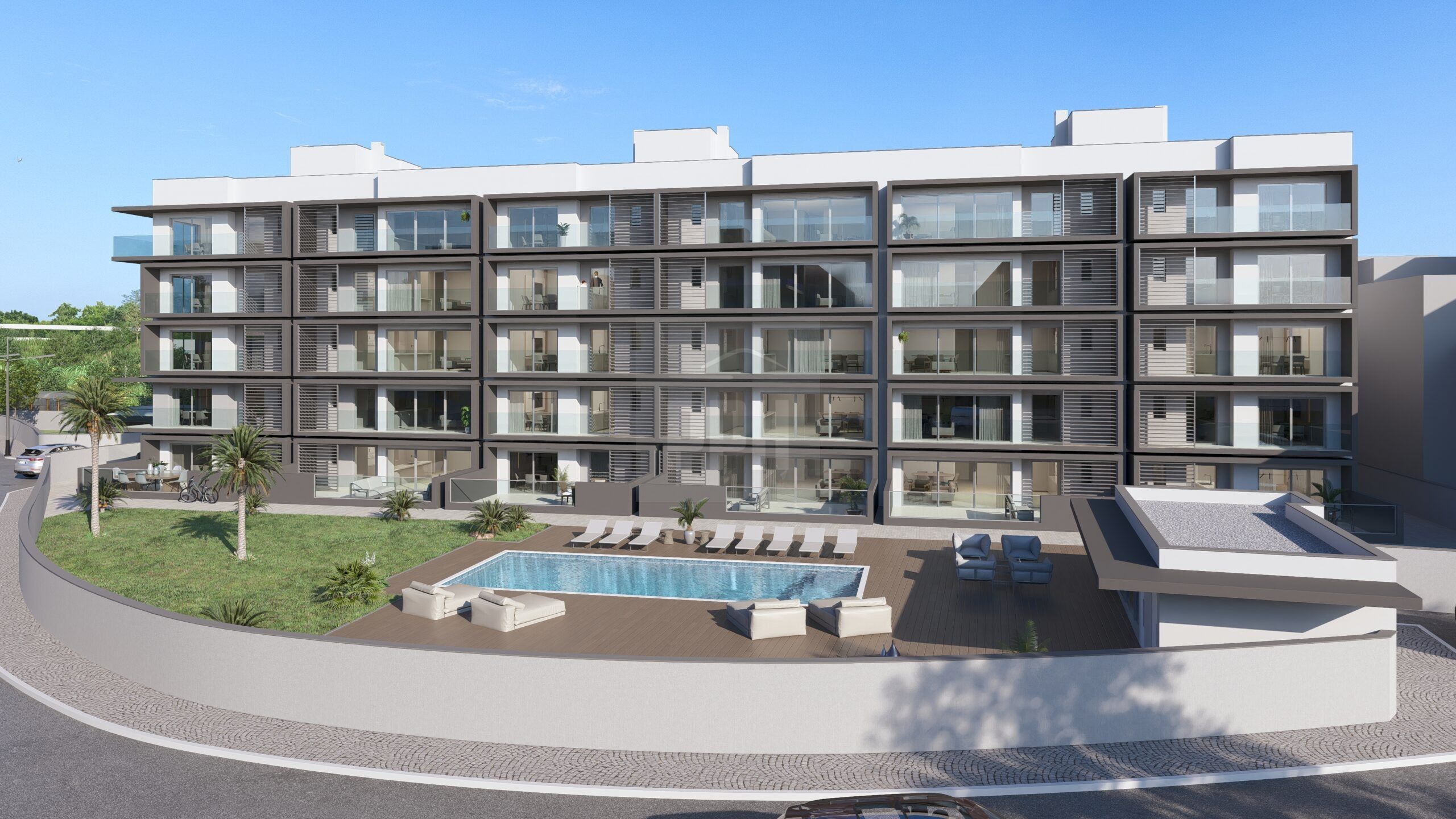
At around €500,000, buyers are entering the lower end of Vilamoura’s prime market rather than accessing a budget segment. In practical terms, this price point is dominated by apartments and smaller townhouses, typically offering between 60m² and 110m² of internal space.

Most properties in this range are located slightly away from the marina itself, in areas such as Old Village or Vila Sol, or within established condominium developments built between the early 2000s and mid-2010s. While many units have been refurbished, truly new-build stock at this level is limited and tends to command a premium.

From a pricing perspective, this aligns with current estimates placing Vilamoura between roughly €5,000 and €9,000 per square metre depending on location, condition, and proximity to amenities. At €500,000, buyers are therefore securing functional, well-located property, but with limited uniqueness.

This has a direct impact on investment performance. Apartments at this level benefit from strong seasonal rental demand, particularly during the summer months, but they operate in a highly competitive segment. Many similar units exist, meaning differentiation is often limited to interior finish, terrace space, or exact positioning within a development.

For this reason, €500,000 properties in Vilamoura are best understood as either entry-level second homes or yield-focused investments, rather than long-term lifestyle upgrades.

€1,000,000 Property in Vilamoura – The Market Sweet Spot

At the €1 million mark, the Vilamoura property market shifts meaningfully. Buyers gain access not only to larger and better-finished apartments, but also to townhouses and, in some cases, entry-level villas.

Properties in this bracket typically offer between 120m² and 180m² of internal space, along with more desirable features such as large terraces, private pools, or direct golf frontage. Locations also improve significantly, with many homes positioned closer to the marina or within premium residential zones.

This price point represents the most active segment of the Vilamoura market. Demand is driven by a mix of international second-home buyers, remote workers relocating to Portugal, and investors seeking assets that balance lifestyle appeal with rental potential.

One of the defining characteristics of this bracket is increased scarcity. Unlike the €500,000 segment, where inventory is relatively abundant, well-located €1 million properties, particularly modern units or renovated villas, are more limited. This tends to support both resale value and rental performance.

From an investment perspective, properties at this level often achieve higher nightly rates and attract a more affluent tenant profile, especially when located near the marina or golf courses. As a result, €1 million is widely considered the “core” Vilamoura price point, where lifestyle and investment considerations begin to align.

€3,000,000 Property in Vilamoura – High-End Villa Market

With a budget of €3 million, buyers are firmly within Vilamoura’s luxury villa market. At this level, the focus shifts away from compact resort living towards space, privacy, and architectural quality.

Typical properties include four- to six-bedroom detached villas with built areas ranging from approximately 300m² to over 600m², set on landscaped plots with private pools. Prime locations include golf-front positions and established luxury zones such as Pinhal Velho and parts of Vila Sol.

It is important to note that €3 million does not represent the top of the Vilamoura market. Ultra-prime villas can exceed €5 million and, in some cases, reach significantly higher values depending on design, plot size, and positioning. However, €3 million sits comfortably within the mid-to-upper luxury tier, offering access to high-quality homes without entering the most exclusive bracket.

At this level, buyer priorities change. Architectural design, privacy, sun orientation, and plot size often carry more weight than proximity to the marina alone. Many purchases are driven by long-term lifestyle decisions or capital preservation strategies rather than short-term rental returns.

While luxury villas can still generate rental income, particularly during peak seasons, the primary value here lies in asset quality and long-term desirability within a supply-constrained market.

How Vilamoura Property Prices Compare Across Budgets

The differences between €500k, €1m, and €3m in Vilamoura are not purely linear increases in size or quality. Instead, they reflect shifts in market segment, buyer intent, and property scarcity.

At €500,000, buyers are entering a competitive apartment-driven segment with strong rental demand but limited differentiation. At €1 million, the market opens up to more unique and better-located properties, creating a balance between lifestyle and investment potential. By €3 million, the focus moves firmly into luxury villa ownership, where scarcity, design, and privacy define value.

One of the most important observations is that the largest qualitative jump occurs between €500,000 and €1 million. This is where buyers transition from standardised properties to more distinctive homes. The move from €1 million to €3 million, while significant, is more about scale and exclusivity than a fundamental change in property type.

Choosing the Right Budget in Vilamoura

Vilamoura remains one of the Algarve’s most resilient property markets because it offers something many locations cannot: a controlled environment with consistent international demand and limited expansion potential.

For buyers, this means that budget decisions should be guided not only by price, but by intended use.

Those seeking a low-maintenance holiday property or entry-level investment may find €500,000 sufficient. Buyers looking for a stronger lifestyle offering with better long-term flexibility will typically gravitate towards the €1 million range. Meanwhile, €3 million budgets are best suited to those prioritising space, privacy, and long-term asset quality within the luxury segment.

The Golden Triangle Investment Case for UK Buyers: Vilamoura, Vale do Lobo and Quinta do Lago

Marina de Vilamoura

Buying a property in Portugal is only part of the journey, especially if you’re still in the early stages of understanding how the process works and where to start.

For many buyers, the real challenge begins after completion.

Settling into a new country, building a routine, and finding your people is what actually determines whether the move is successful long term.

At Portugal Property Hub, we see this every day. That’s why our focus isn’t just on helping clients buy property, but helping them build a life here.

The Reality of Moving to Portugal

Portugal continues to attract buyers from the UK and across Europe, drawn by lifestyle, climate and long-term value.

But relocation comes with a different set of challenges:

  • Building a social network from scratch
  • Navigating schools and childcare
  • Finding trusted local services
  • Understanding how day-to-day life works

These aren’t things you solve through property alone.

They’re solved through people, conversations and community.

Monthly Coffee Mornings

To help bridge that gap, we host a coffee morning on the first Thursday of every month at our office for our local ladies.

  • Completely free
  • Open to anyone (not just clients)
  • Coffee available for everyone
  • Food provided by local suppliers

There’s no structure, no presentations and no pressure.

It’s intentionally informal, just a space where people can turn up, talk and connect.

Designed for Real Life (Especially for Mums)

These coffee mornings are primarily aimed at mums, but in practice, they bring together a mix of people at different stages of their journey in Portugal.

For parents in particular, relocating can be isolating.

You’re balancing:

  • Settling into a new country
  • Supporting your children through change
  • Trying to build a social circle at the same time

Having a consistent, low-pressure environment to meet others in a similar position makes a real difference.

Informal Networking That Actually Works

People often bring:

  • Business cards
  • Flyers
  • Recommendations
  • Local contacts

But this isn’t a typical networking event.

There’s no pitching or forced introductions, just natural conversations. Someone mentions a school, someone else shares a contact and useful connections happen organically.

Supporting Local Businesses

All food provided at the coffee mornings comes from local suppliers.

For people new to the area, knowing where to go and who to trust is one of the hardest parts of settling in. These events help surface local businesses in a way that feels natural rather than transactional.

Life After Buying Property in Portugal

There’s a common misconception that once you’ve completed on a property, the process is finished.

In reality, that’s when life in Portugal actually begins.

Questions shift from:

  • “Where should I buy?” (see our area guides to explore different regions of Portugal)
    to
  • “How do I build a life here?”

That includes:

  • Meeting other parents
  • Understanding local systems
  • Finding reliable services
  • Creating a routine

The people who settle most successfully aren’t just the ones who bought well – they’re the ones who integrated early.

Why Community Should Be Part of Your Property Strategy

If you’re planning a move, community shouldn’t be an afterthought.

It should be part of the decision-making process from the start.

Where you live matters, but who you’re surrounded by matters just as much.

If you’re still researching your move, it’s worth understanding not just the property market, but how different areas support lifestyle, families, and long-term integration (learn more about buying property in Portugal and how to approach the process correctly).

Join the Next Coffee Morning

If you’re already living in Portugal, recently moved, or planning your relocation, you’re welcome to join us.

There’s no sign-up and no expectation.

Just come along on the first Thursday of the month, grab a coffee and meet people navigating the same journey.And if you’re still at the stage of planning your move or exploring property options, you can also speak to our team directly (get in touch here to start the conversation).